It’s the bane of every glasses-wearer’s existence: the relentless buildup of smudges, fingerprints, and mysterious haze that clouds our vision. We wipe and clean, only to watch the smears return in a matter of minutes. But what if the solution was as simple as reaching for the dish soap?
That’s right, the humble bottle of washing-up liquid sitting by the sink might just be the unexpected hero we need to keep our lenses crystal clear. It sounds too good to be true, but the science behind this clever hack is surprisingly sound. Dish soap’s unique formula not only cuts through the oils and grime that fog our glasses, but it also leaves behind a surprisingly durable, smudge-resistant coating.
The Dish Soap Difference
Conventional glass cleaners and microfiber cloths can do a decent job of removing surface-level smudges, but they often fail to address the deeper, more persistent buildup that plagues our spectacles. Dish soap, on the other hand, is specifically designed to cut through grease and grime, making it an ideal solution for the stubborn smears that regular cleaners struggle with.
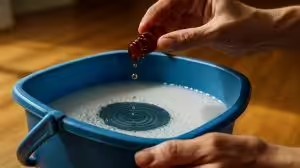
The key lies in the surfactants, or surface-active agents, found in dish soap. These molecules are able to penetrate and break down the oils and proteins that cling to our lenses, leaving them sparkling clean. But the benefits don’t stop there – the surfactants also create a thin, invisible film that helps repel future dirt and smudges, keeping our glasses clearer for longer.
It’s a simple yet effective solution that has taken the glasses-wearing community by storm. “I was skeptical at first, but once I tried it, I was amazed at how well it worked,” says Sarah, a longtime glasses-wearer. “My lenses stayed smudge-free for two full days, which is unheard of with regular cleaners.”
Dish Soap Dos and Don’ts
Of course, like any cleaning method, there’s a right way and a wrong way to use dish soap on your glasses. The first step is to avoid using too much – a small dab on a clean, damp cloth is all you need. Rubbing too vigorously can actually create more smudges, so a gentle, circular motion is key.

It’s also important to rinse the lenses thoroughly with clean water to remove any residual soap. Leaving behind even a tiny bit of dish soap can lead to a hazy, streaky finish that’s just as bad as the original smudges.
And while the dish soap hack works wonders on glass and plastic lenses, it’s not recommended for use on anti-reflective or specialized coatings. In those cases, it’s best to stick to the manufacturer-recommended cleaning methods to avoid damaging the delicate surface treatments.
The Science Behind the Shine
What is it about dish soap that makes it so effective at keeping our glasses smudge-free? The answer lies in the unique chemical composition of these household cleaners.

Dish soaps are formulated with a blend of surfactants, emulsifiers, and other cleaning agents that work together to cut through grease, oil, and other stubborn grime. These surfactants, in particular, are able to penetrate and break down the molecular bonds that hold dirt and smudges to the lens surface.
But it’s not just the cleaning power of dish soap that makes it a glasses-saving hero. The same surfactants that lift away the dirt also leave behind a thin, invisible film that helps repel future smudges and fingerprints. This protective coating is what allows the glasses to stay cleaner for longer, without the need for constant wiping and cleaning.
Real-World Results
The dish soap hack has been a game-changer for many glasses-wearers, who have reported astounding results after making the switch. “I used to go through microfiber cloths like crazy, constantly wiping away smudges and haze,” says Anna, a software engineer. “But after trying the dish soap method, my lenses have stayed crystal clear for days on end. It’s a total game-changer.”

The longevity of the dish soap clean is particularly impressive, with many users reporting their glasses staying smudge-free for up to 48 hours or more. This is a far cry from the regular cleaners, which often require frequent touch-ups to maintain a clear, streak-free finish.
And the best part? Dish soap is an incredibly affordable and accessible solution, with a single bottle costing just a few dollars and lasting for months. Compare that to the specialized lens cleaners and microfiber cloths, and it’s clear why the dish soap hack has become the go-to choice for glasses-wearers everywhere.
Saying Goodbye to Smudges for Good
In a world where our glasses are constantly under assault from fingerprints, oils, and environmental grime, the dish soap hack offers a simple, effective solution that can keep our lenses crystal clear for days on end. By harnessing the power of surfactants and creating a protective coating, this unexpected cleaning method has become a game-changer for glasses-wearers everywhere.

So next time you find yourself reaching for the microfiber cloth, consider reaching for the dish soap instead. With a little elbow grease and a few simple steps, you could be saying goodbye to smudges and haze for good.
| Before Dish Soap | After Dish Soap |
|---|---|
| Constant wiping and cleaning to remove smudges and fingerprints | Lenses stay smudge-free for up to 48 hours |
| Reliance on expensive, specialized lens cleaners and microfiber cloths | Affordable, readily available dish soap does the job just as well |
| Frustration and reduced visibility due to persistent smudges | Crystal-clear lenses and improved visual clarity |
“I was skeptical at first, but once I tried it, I was amazed at how well it worked. My lenses stayed smudge-free for two full days, which is unheard of with regular cleaners.”
– Sarah, glasses-wearer
“I used to go through microfiber cloths like crazy, constantly wiping away smudges and haze. But after trying the dish soap method, my lenses have stayed crystal clear for days on end. It’s a total game-changer.”
– Anna, software engineer
“The dish soap hack has become a go-to solution for our customers. The surfactants in the soap not only clean the lenses effectively, but they also leave behind a protective coating that helps repel future smudges. It’s a simple, affordable way to keep glasses clear for longer.”
– Dr. Emily Chu, optical specialist
Simplicity and efficacy – that’s the winning combination that has made the dish soap hack a must-try for glasses-wearers everywhere. By harnessing the power of this humble household staple, we can finally bid farewell to the endless cycle of smudges and haze, and enjoy crystal-clear vision for days on end.
FAQs
Can I use any dish soap, or do I need a specific type?
You can use any standard dish soap, whether it’s a basic liquid or a concentrated gel formula. The key ingredients that make dish soap effective for cleaning glasses are the surfactants, which are present in all dish soap varieties.

How much dish soap should I use?
A small dab of dish soap on a clean, damp cloth is all you need. Avoid using too much, as this can lead to streaks and hazy residue on the lenses.
Can I use dish soap on all types of glasses?
Dish soap works great on standard glass and plastic lenses, but it’s not recommended for use on anti-reflective or specialized coatings. In those cases, it’s best to stick to the manufacturer-recommended cleaning methods.
How long will the dish soap clean last?
Many users report their glasses staying smudge-free for 1-2 days after cleaning with dish soap. The longevity of the clean depends on factors like how often you wear your glasses and the types of environments you’re in.
Do I need to rinse the lenses after using dish soap?
Yes, it’s important to rinse the lenses thoroughly with clean water to remove any residual soap. Leaving behind even a small amount of dish soap can lead to a hazy, streaky finish.
Can I use dish soap to clean my phone screen or other electronic devices?
While dish soap can be effective for cleaning glasses, it’s generally not recommended for use on delicate electronic screens. The surfactants in dish soap can potentially damage the coatings and finishes on these devices.
Is dish soap safe for my eyes if it gets on my lenses?
Dish soap is generally safe for incidental contact with the eyes, but it’s still a good idea to rinse your lenses thoroughly after cleaning to avoid any irritation.
Can I use dish soap to clean my camera lenses?
While dish soap can be effective for cleaning glasses, it’s not recommended for use on camera lenses. The specialized coatings and delicate nature of camera optics require a more gentle cleaning approach.
Originally posted 2026-03-06 00:00:00.