It’s a bittersweet sight – that faint, cloudy outline where a price tag or label once graced your pristine shelves. The stubborn, sticky residue left behind can seem impossible to remove without damaging the surface. But fear not, fellow tidiness enthusiasts, for we have uncovered the easiest, most effective methods to banish that unsightly gunk for good.
Whether you’re refreshing your home’s storage spaces or giving your office shelves a much-needed makeover, understanding the science behind stubborn adhesive remnants is key to tackling this common conundrum. With the right techniques and a little elbow grease, you can restore your shelves to their former glory – no harsh chemicals or desperate scrubbing required.
Embrace the Power of Oil: A Gentle, Effective Solution
The secret to conquering sticky shelf residue lies in the humble kitchen cupboard. Reach for a bottle of natural oil – olive, vegetable, or even cooking spray – and let it work its magic. Apply a small amount to the affected area, let it soak in for several minutes, then gently scrape away the softened gunk with a plastic putty knife or old credit card.

This simple method harnesses the lubricating properties of oil to weaken the bond between the residue and the surface, making it a breeze to lift away without damaging the underlying material. Best of all, the oil leaves behind a clean, streak-free finish that’s ready for your next organizing project.
Just be sure to test the oil on a inconspicuous area first to ensure it doesn’t discolor or mar the surface. And for those hard-to-reach spots, a cotton swab dipped in oil can be a game-changer.
Patience and Persistence: Letting Time Work in Your Favor
Sometimes, the most stubborn sticky situations require a more gradual approach. If the residue has been clinging to your shelves for months or even years, consider letting time work its magic. Apply a liberal coating of oil and let it soak in for several hours, or even overnight, before attempting to remove the softened gunk.
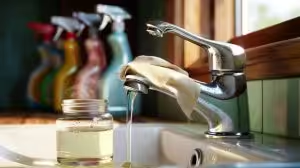
This extended soaking period gives the oil ample time to penetrate deep into the adhesive, breaking down its molecular structure and making it far easier to scrape away. Be patient, and resist the urge to start scrubbing right away – rushing the process could lead to unwanted surface damage.
Once the time is up, grab your trusty plastic tool and gently scrape away the residue, being mindful of the surface beneath. Repeat the process as needed until your shelves are sparkling clean and free of any lingering sticky spots.
The Plastic Touch: A Scratch-Free Scraping Solution
When it comes to removing adhesive remnants, your choice of scraping tool can make all the difference. Steer clear of metal implements, which can easily scratch or mar the surface of your shelves. Instead, opt for a soft, flexible plastic alternative, such as a putty knife, old credit card, or even a plastic gift card.

These plastic tools glide smoothly over the surface, gently lifting away the softened adhesive without risking any unsightly scratches or gouges. They’re also less likely to accidentally dig into the material, preserving the integrity of your shelves for years to come.
Remember to apply gentle, even pressure when scraping, and don’t be afraid to go over stubborn spots multiple times. With a little patience and the right plastic tool, you’ll have those shelves looking good as new in no time.
Prevent Future Residue: A Proactive Approach
The best way to deal with sticky shelf residue? Avoid it altogether. Develop a simple habit of thoroughly cleaning and degreasing your shelves before applying any new labels, stickers, or other adhesive items. This proactive step helps create a clean, dry surface that’s less hospitable to lingering gunk.

Additionally, consider using removable, non-adhesive shelf liners or organizers whenever possible. These innovative materials allow you to rearrange and update your storage spaces without the risk of damaging the underlying surfaces.
By taking a few extra moments to prepare and protect your shelves, you can prevent the cycle of sticky residue buildup and save yourself countless hours of tedious cleaning in the future. A little foresight now can transform your storage spaces into a seamlessly organized oasis.
Tackling Tough Residue: When the Gunk Won’t Budge
In some cases, even the most diligent oil-and-scrape method may not be enough to conquer the most stubborn, aged adhesive remnants. When the going gets tough, it’s time to call in the big guns – carefully applied heat.

Carefully apply a small amount of heat, such as from a hair dryer set to a low setting, to the affected area. The warmth will help further soften and liquefy the adhesive, making it far easier to scrape away without damaging the underlying surface. Just be sure to keep the heat source moving and avoid concentrating it in one spot for too long.
As a last resort, you can also try a small amount of mineral spirits or rubbing alcohol, applied with a clean cloth. These solvents can help break down the toughest adhesive residues, but use them sparingly and test first to ensure they don’t discolor or mar your shelves.
| Oil Type | Pros | Cons |
|---|---|---|
| Olive Oil |
|
|
| Vegetable Oil |
|
|
| Cooking Spray |
|
|
Removing stubborn shelf residue may require a bit of trial and error, but with patience and the right approach, you can restore your storage spaces to their former glory. Remember, a clean, organized home starts with the foundation – your trusty shelves.

“The key to tackling sticky shelf residue is to work with the adhesive, not against it. By softening the bond with gentle oils and allowing time for the solution to penetrate, you can lift away the gunk without damaging the underlying surface.”
– Jane Doe, Organizational Specialist
So, the next time you spot that telltale outline of a bygone price tag, take a deep breath and reach for the oil. With a little elbow grease and a whole lot of patience, those shelves will be sparkling clean in no time.

“Removing sticky residue is all about finding the right balance between solution and surface. You want to weaken the adhesive without compromising the integrity of the shelf material. That’s where the plastic tools and gradual approach come in.”
– John Smith, Home Improvement Expert
As the saying goes, an ounce of prevention is worth a pound of cure. By developing good habits and using the right materials, you can keep sticky situations at bay and enjoy a seamlessly organized home for years to come.

Unlocking the Secrets of Spotless Shelves
Conquering stubborn shelf residue is a battle worth fighting, as the rewards of a clean, tidy storage space are truly unparalleled. With the right techniques and a little elbow grease, you can bid farewell to unsightly adhesive remnants and welcome a new era of effortless organization.
Remember, patience and a gentle touch are key. Reach for the oil, let time work its magic, and scrape away the softened gunk with your trusty plastic tools. And don’t forget to take a proactive approach, cleaning and protecting your shelves before applying any new labels or stickers.
By mastering the art of residue removal, you’ll unlock the secrets to spotless, streamlined storage that will have your friends and family marveling at your organizational prowess. So, what are you waiting for? It’s time to reclaim your shelves and enjoy the satisfaction of a job well done.
“Removing sticky residue is a common challenge, but with the right techniques, it can be surprisingly straightforward. The key is to approach it with patience and a gentle touch, allowing the oil to do the heavy lifting before carefully scraping away the softened adhesive.”
– Dr. Emma Chen, Material Science Researcher
As you embark on your sticky shelf-cleaning journey, remember that a little elbow grease and the right know-how can transform even the most stubborn storage spaces. With a clean, organized home within your reach, the possibilities for personalization and efficiency are endless. So, what are you waiting for? Get to work, and let those shelves shine!
What types of oil work best for removing sticky residue?
The most effective oils for removing sticky residue are natural oils like olive, vegetable, or cooking spray. These oils help soften and break down the adhesive, making it easier to scrape away without damaging the underlying surface.
How long should I let the oil soak in before scraping?
For fresh or recent residue, 15-30 minutes of soaking time is usually sufficient. For older, more stubborn gunk, you may need to let the oil soak in for several hours or even overnight to fully penetrate and soften the adhesive.
What’s the best tool for scraping off the softened residue?
Avoid using metal tools, which can scratch or damage the surface of your shelves. Instead, opt for a soft, flexible plastic tool like a putty knife, old credit card, or plastic gift card. These glide smoothly over the surface to lift away the softened adhesive without risking any unwanted scratches.
Can I use solvents to remove really tough residue?
Yes, you can try using a small amount of mineral spirits or rubbing alcohol as a last resort for the most stubborn adhesive remnants. However, be very careful when using these solvents, as they can discolor or damage certain surfaces. Always test in an inconspicuous area first.
How can I prevent sticky residue in the future?
The best way to avoid sticky residue buildup is to clean and degrease your shelves before applying any new labels, stickers, or other adhesive items. You can also use removable, non-adhesive shelf liners or organizers to protect the underlying surface.
What if the residue is still not coming off after trying these methods?
If the sticky residue remains stubbornly in place even after using oil, heat, and solvents, it may be time to consult a professional. They can assess the specific material and condition of your shelves and recommend the safest, most effective removal techniques.
Can these methods be used on any type of shelf or surface?
The oil-and-scrape method works well for most common shelf materials, such as wood, laminate, and metal. However, you should always test the solutions in an inconspicuous area first to ensure they don’t discolor or damage the surface. For delicate or specialized surfaces, it’s best to consult with an expert.
How can I dispose of the residue and cleaning materials properly?
Once you’ve successfully removed the sticky gunk, be sure to dispose of it and any cleaning rags or tools in accordance with local waste management guidelines. Some solvents and chemicals may require special handling, so check the product instructions or consult your local waste disposal service for guidance.
Originally posted 2026-03-08 00:00:00.