In a world where beauty routines often feel like a never-ending pursuit of the latest trends, a surprising solution has emerged from the most unexpected of places: the kitchen pantry. Baking soda, a humble household staple, is quietly infiltrating bathroom cabinets, whispered to be the secret weapon against the relentless march of wrinkles and dark circles.
This unassuming white powder, long relegated to the realms of culinary alchemy and household cleaning, is now captivating the attention of beauty aficionados and skincare enthusiasts alike. As the drumbeat of social media amplifies the stories of those who have discovered baking soda’s transformative powers, the beauty industry is taking notice, and the once-humble bicarbonate is poised to become the next big thing in the ever-evolving world of self-care.
The Unexpected Rise of Baking Soda in Skincare
What began as a gentle murmur has now swelled into a crescendo of praise for baking soda’s purported skin-saving abilities. From DIY face masks to targeted eye treatments, this versatile compound is being hailed as a cost-effective, all-natural solution to a host of complexion concerns. The promise of smoother, brighter, and more youthful-looking skin has beauty enthusiasts rushing to their kitchen cupboards, eager to incorporate this unexpected hero into their daily routines.

The allure of baking soda’s skincare prowess lies in its multifaceted properties. As a gentle exfoliant, it is said to slough away dead skin cells, revealing a more radiant complexion. Its natural alkalinity is also believed to help balance the skin’s pH levels, potentially reducing the appearance of fine lines and wrinkles.
But the real showstopper, according to the growing legion of baking soda converts, is its ability to tackle dark circles and puffiness around the delicate eye area. Baking soda’s purported anti-inflammatory and brightening effects have made it a go-to ingredient for homemade eye masks and creams, offering a cost-effective alternative to high-end, eye-specific products.
The Science Behind Baking Soda’s Skin Benefits
While the anecdotal evidence surrounding baking soda’s skincare prowess is mounting, the scientific community has yet to reach a consensus on the extent of its benefits. Some studies have suggested that baking soda’s mild abrasive properties can indeed exfoliate the skin, while its alkaline nature may help to balance pH levels.
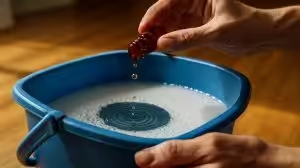
However, experts caution that the enthusiastic embrace of baking soda as a cure-all for wrinkles and dark circles may be premature. The skin is a delicate organ, and the overuse or improper application of baking soda could potentially disrupt the skin’s natural protective barrier, leading to dryness, irritation, and even long-term damage.
Dermatologists emphasize the importance of understanding individual skin types and sensitivities before jumping on the baking soda bandwagon. What may work wonders for one person could be a recipe for disaster for another, especially when it comes to the fragile eye area.
Navigating the Baking Soda Skincare Trend Safely
Despite the cautionary notes from the medical community, the allure of baking soda’s skin-transforming potential remains strong. For those eager to incorporate this kitchen staple into their beauty routines, experts recommend a cautious and measured approach.

Start by conducting a patch test on a small, inconspicuous area of the skin to gauge its compatibility. Pay close attention to any signs of irritation, redness, or dryness, and discontinue use if any adverse reactions occur.
When using baking soda-based products, be mindful of the concentration and frequency of application. Overuse can disrupt the skin’s delicate balance, leading to more harm than good. Experts suggest starting with a small amount, perhaps once or twice a week, and gradually increasing the frequency if the skin responds positively.
The Deeper Implications of the Baking Soda Skincare Trend
The rise of baking soda in the beauty industry goes beyond the promise of smoother, brighter skin. It speaks to a broader shift in consumer attitudes, a growing desire for more natural, cost-effective, and accessible self-care solutions.

In a world where luxury skincare products can cost hundreds of dollars, the appeal of a simple, affordable ingredient like baking soda resonates with those seeking to take control of their beauty routines without breaking the bank. This trend also reflects a broader cultural movement towards mindfulness and sustainability, as people seek to reduce their reliance on synthetic and resource-intensive products.
Ultimately, the baking soda skincare phenomenon may be a harbinger of a larger reckoning in the beauty industry, one that challenges the status quo and opens the door for more innovative, consumer-driven solutions to emerge.
Exploring the Versatility of Baking Soda in Beauty
Beyond its purported wrinkle-fighting and dark circle-reducing abilities, baking soda’s versatility in the world of beauty extends far beyond the confines of the face. This humble compound has been hailed for its ability to tackle a wide range of beauty concerns, from soothing sunburned skin to creating a luxurious, at-home spa experience.

From DIY bath bombs to homemade dry shampoo, baking soda’s gentle, absorbent properties make it a valuable addition to any beauty enthusiast’s toolkit. Its ability to neutralize odors and cleanse the skin and scalp have also earned it a reputation as a natural, cost-effective alternative to conventional personal care products.
As the baking soda beauty trend continues to gain momentum, it’s clear that this unassuming kitchen staple is poised to play an increasingly prominent role in the ever-evolving landscape of self-care and beauty routines.
The Future of Baking Soda in Skincare
As the baking soda beauty phenomenon continues to captivate the public’s imagination, the beauty industry is taking note. While some experts remain cautious about the long-term effects of baking soda on the skin, the growing consumer demand for natural, accessible, and affordable skincare solutions is undeniable.

Moving forward, it’s likely that we’ll see a surge of baking soda-infused products hitting the market, as beauty brands seek to capitalize on the trend and offer consumers a more budget-friendly alternative to high-end, specialized skincare items. However, it will be crucial for these products to be formulated with the utmost care, ensuring that the benefits of baking soda are harnessed while mitigating any potential risks to the skin’s delicate balance.
Ultimately, the rise of baking soda in the world of beauty speaks to a larger shift in consumer priorities and a growing desire for more natural, accessible, and sustainable self-care solutions. As the trend continues to evolve, it will be fascinating to see how the beauty industry responds and how baking soda’s role in the world of skincare and beyond continues to unfold.
FAQs: Baking Soda’s Skincare Potential
How does baking soda work to improve skin?
Baking soda is believed to have gentle exfoliating properties that can help remove dead skin cells, as well as natural alkalinity that may help balance the skin’s pH levels. This can potentially reduce the appearance of fine lines and wrinkles.

Is baking soda safe for all skin types?
Not necessarily. Baking soda can be drying and irritating for some skin types, especially if used too frequently or in high concentrations. It’s important to do a patch test and introduce baking soda-based products slowly and with caution.
How can I use baking soda for skin and eye care?
Some popular baking soda-based skincare uses include DIY face masks, exfoliating scrubs, and targeted eye treatments to address dark circles and puffiness. Start with a small amount and gradually increase frequency and concentration if your skin responds well.
Are baking soda-based skincare products worth the hype?
The scientific evidence on baking soda’s long-term skin benefits is still limited. While many people report positive results, the effects can vary greatly depending on individual skin type and sensitivity. Approach baking soda skincare with caution and consult a dermatologist if you have any concerns.

What are the potential risks of using baking soda on the skin?
Overuse or improper application of baking soda can disrupt the skin’s natural protective barrier, leading to dryness, irritation, and potentially long-term damage. It’s crucial to use baking soda-based products sparingly and with close attention to your skin’s reaction.
How does the baking soda skincare trend reflect broader consumer attitudes?
The rise of baking soda in beauty speaks to a growing desire for more natural, cost-effective, and accessible self-care solutions. This trend aligns with a broader cultural shift towards mindfulness, sustainability, and taking control of one’s personal care routine.
What’s the future of baking soda in the beauty industry?
As consumer demand for baking soda-based skincare products continues to grow, it’s likely that we’ll see an influx of baking soda-infused products hitting the market. However, it will be crucial for these formulations to be developed with care, balancing the potential benefits while mitigating any risks to the skin.
Where can I find reliable information on using baking soda for skincare?
It’s best to consult with a dermatologist or other qualified skincare professional before incorporating baking soda into your beauty routine. They can provide personalized guidance on safe and effective usage based on your unique skin type and concerns.