In the never-ending quest to keep our kitchens sparkling clean, we often find ourselves reaching for the tried-and-true washing-up liquid. But what if we told you there’s a simple pantry staple that can take your dish-washing game to new heights?
Across social media and cleaning forums, a quietly viral tip is spreading: a single dash of salt can transform your washing-up liquid into a powerhouse cleaner, tackling even the toughest grease and grime. It’s a game-changing discovery that’s got everyone talking — and for good reason.
The Problem with Conventional Washing-Up Liquids
Let’s face it, not all washing-up liquids are created equal. While they may do a decent job of cutting through the daily buildup of food residues, they can sometimes fall short when it comes to tackling stubborn, dried-on messes. This is where the humble salt comes in, ready to save the day.

The key lies in the science behind salt’s cleaning properties. As a natural abrasive, salt can help to physically break down and dislodge stuck-on food particles, grease, and grime. When combined with the surfactants in your washing-up liquid, the result is a powerhouse cleaning solution that can tackle even the toughest kitchen challenges.
But the benefits of this salt-enhanced cleaning hack don’t stop there. It can also help to prevent the formation of unsightly water spots and streaks on your dishes, leaving them sparkling clean and spot-free.
Transforming Your Washing-Up Liquid with Salt
Incorporating salt into your washing-up routine is incredibly simple. All you need to do is add a small pinch or two of salt directly to your washing-up liquid, either in the sink or in a separate container. Give it a quick stir to combine, and you’re ready to get scrubbing.

The salt will dissolve and blend seamlessly with the liquid, creating a slightly thicker, more abrasive solution. This enhanced formula will help to cut through stubborn grease and baked-on food with ease, leaving your dishes, pots, and pans sparkling clean.
One of the best things about this hack is its versatility. It works equally well on a wide range of kitchen items, from glassware and silverware to pots, pans, and even heavily soiled baking trays. The added abrasive power of the salt can make quick work of even the most stubborn messes.
Where Salt Shines (and Where It Doesn’t)
While the salt-enhanced washing-up liquid is a game-changer for many kitchen tasks, it’s important to note that it may not be suitable for all surfaces and materials. For example, it’s best to avoid using it on delicate items like fine china or antique glassware, as the abrasive nature of the salt could potentially scratch or damage the surface.

Additionally, salt should be used with caution on any non-stick cookware, as it can potentially compromise the non-stick coating over time. In these cases, it’s generally best to stick to a gentler, salt-free washing-up liquid to preserve the integrity of your kitchen tools.
But for the vast majority of kitchen items, the salt-enhanced washing-up liquid is a true hero. It can tackle tough, dried-on messes with ease, leaving your dishes, pots, and pans looking clean and refreshed.
Salt, Eco-Cleaning, and the Cost-of-Living Squeeze
In today’s climate of rising costs and heightened environmental awareness, the salt-enhanced washing-up hack is particularly appealing. Not only is salt a widely available and affordable pantry staple, but it’s also a natural, eco-friendly alternative to harsh chemical cleaners.
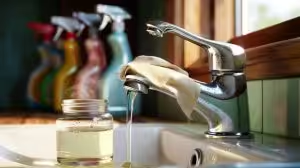
By incorporating salt into your washing-up routine, you can reduce your reliance on synthetic detergents and chemicals, which can be both costly and potentially harmful to the environment. Plus, the added abrasive power of the salt means you may be able to get away with using less washing-up liquid overall, further cutting down on your cleaning costs.
As the cost-of-living squeeze continues to impact households around the world, this simple, budget-friendly hack can be a game-changer for those looking to stretch their cleaning budgets and make their kitchens shine without breaking the bank.
Frequently Asked Questions
How much salt should I add to my washing-up liquid?
Start with a small pinch or two of salt and give it a stir to combine. You can adjust the amount of salt to suit your needs, but be careful not to add too much, as it can make the solution overly abrasive.

Can I use this method with any type of washing-up liquid?
Yes, the salt-enhanced cleaning hack works with most standard washing-up liquids. However, for best results, it’s recommended to use a liquid that is already effective at cutting through grease and grime.
Is this method safe for all kitchen surfaces and materials?
While the salt-enhanced solution is generally safe for most kitchen items, it’s best to avoid using it on delicate surfaces like fine china, antique glassware, and non-stick cookware. These materials may be vulnerable to the abrasive nature of the salt.
How long does the salt-enhanced washing-up liquid last?
The salt-enhanced solution can be used for as long as you have washing-up liquid remaining. Simply add a small amount of salt each time you refill your sink or container. The solution will remain effective until the washing-up liquid runs out.

Can I use this method for other cleaning tasks beyond washing up?
While the salt-enhanced solution is primarily designed for washing up, you can experiment with using it for other light cleaning tasks around the kitchen, such as scrubbing stubborn stains on countertops or cutting boards. However, be mindful of the surfaces you’re using it on and avoid anything too delicate.
Is there a difference between using table salt and sea salt?
Both table salt and sea salt can be used effectively in this method, as the key factor is the abrasive nature of the salt itself. However, some people prefer to use sea salt as it is generally considered a more natural and eco-friendly option.
How does this method compare to using other cleaning products?
The salt-enhanced washing-up liquid is a budget-friendly and eco-friendly alternative to many commercial cleaning products. It can be just as effective at tackling grease and grime, but without the harsh chemicals or high price tag.

Can I use this method for cleaning outside the kitchen?
While the salt-enhanced solution is primarily designed for kitchen cleaning, you may be able to use it for light cleaning tasks in other areas of the home, such as scrubbing tiles or removing stubborn stains. However, it’s important to test the solution on a small, inconspicuous area first to ensure it doesn’t damage the surface.
Originally posted 2026-03-08 00:00:00.