Strawberries are a true delight – sweet, juicy, and bursting with flavor. But too often, these delicate berries end up wilted, moldy, or spoiled long before we can enjoy them. The key to keeping strawberries fresh isn’t just in the fridge or the fruit bowl, but in understanding the unique storage needs of this fragile fruit.
From the moment you pick up a punnet at the market, every decision you make about how to store those berries can impact their longevity. Fortunately, with a few simple tweaks, you can extend the life of your strawberries and savor their goodness for longer.
Choosing the Freshest Strawberries
The first step to keeping strawberries fresh is selecting the right ones from the start. Look for plump, vibrant berries with a deep red color and fresh green caps. Avoid any that are bruised, leaking, or have white or green patches, as these are signs of deterioration. Gently squeeze a few to check for firmness – they should be slightly yielding, but not mushy.

Once you’ve found the perfect punnet, handle the berries with care. Strawberries are highly perishable, and even a little rough handling can cause them to break down and spoil faster. Store them in the original container, and try to avoid washing them until you’re ready to use them.
Many people make the mistake of washing strawberries as soon as they get home, but this can actually accelerate the decay process. Excess moisture trapped around the berries creates the perfect breeding ground for mold and bacteria. Save the washing for just before you plan to enjoy them.
The Vinegar Trick for Extra Freshness
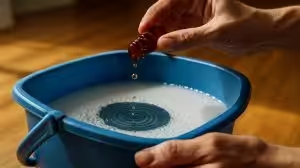
One of the best-kept secrets for extending the life of fresh strawberries is a simple vinegar bath. Before storing your berries, give them a quick soak in a solution of 1 part white vinegar to 10 parts water. This helps to kill any mold spores or bacteria that might be lurking on the surface.

After the vinegar soak, gently pat the strawberries dry with a paper towel and store them in an airtight container lined with a clean paper towel. The towel will help to absorb any remaining moisture and keep the berries from getting soggy.
This simple vinegar treatment can add an extra 3-5 days of shelf life to your strawberries, allowing you to enjoy them at their peak for longer.
Why the Fridge Isn’t Ideal
Many people assume that the refrigerator is the best place to store strawberries, but this isn’t always the case. While the cold temperatures can help slow down spoilage, the dry air in a fridge can actually cause the berries to shrivel and lose their sweetness over time.
Additionally, the confined space of a refrigerator can trap excess moisture, leading to mold growth and faster deterioration. Strawberries do best in a slightly cool, but not freezing, environment with good air circulation.
If you do choose to store your strawberries in the fridge, be sure to keep them in a shallow container or on a paper towel-lined plate. This will help prevent condensation buildup and keep them fresher for longer.
The Fruit Bowl is Also a No-Go
The fruit bowl may seem like an obvious choice for storing strawberries, but it’s actually one of the worst places you can keep them. Room temperature conditions and exposure to the elements can cause strawberries to spoil much faster than if they were stored properly.

The constant movement and jostling in a fruit bowl can also bruise and damage the delicate berries, leading to quicker decay. Plus, the presence of other ripening fruits can release ethylene gas, which accelerates the aging process in strawberries.
If you must keep your strawberries in the fruit bowl, try to do so for no more than a day or two, and make sure to check them frequently for signs of spoilage.
The Best Place to Store Strawberries
The ideal storage solution for strawberries is a slightly cool, dry, and well-ventilated area. A pantry, counter, or even a shaded spot on the kitchen counter can work well, as long as the temperature is kept between 50-70°F (10-21°C).

Line an airtight container or shallow bowl with a paper towel, then gently arrange the strawberries in a single layer. Cover the top with another paper towel to help absorb excess moisture. This setup will allow for good air circulation while preventing the berries from getting soggy.
With this method, your fresh strawberries can stay crisp and delicious for up to a week – much longer than if they were stored in the fridge or fruit bowl.
Common Mistakes That Ruin Strawberries
Aside from improper storage, there are a few other common mistakes that can lead to the premature spoilage of fresh strawberries. One of the biggest culprits is overcrowding the container. When strawberries are packed too tightly together, they’re more prone to bruising and mold growth.

Another frequent issue is leaving the strawberries unwashed until just before use. As mentioned earlier, excess moisture can accelerate decay, so it’s best to only wash them right before enjoying. Lastly, cutting or slicing the strawberries too far in advance can cause them to dry out and lose their signature juiciness.
By avoiding these common pitfalls and following the proper storage techniques, you can keep your strawberries fresh, flavorful, and ready to enjoy for much longer.
Spotting Spoiled Strawberries
Even with the best storage methods, strawberries will eventually start to show signs of aging. It’s important to keep a close eye on your berries and inspect them regularly for any signs of mold, softening, or discoloration.

If you notice any white or blue mold growth, it’s time to toss the entire punnet. Strawberries can quickly spread mold spores to their neighbors, so it’s best not to take any chances. Likewise, if the berries start to look shriveled, wrinkled, or develop dark spots, they’ve reached the end of their shelf life.
When in doubt, give the strawberries a gentle squeeze. They should be slightly firm, but not rock hard. If they feel mushy or overly soft, it’s best to discard them. Remember, it’s always better to err on the side of caution when it comes to food safety.
Freezing and Using Imperfect Berries
Even with the best storage techniques, you may occasionally end up with a few strawberries that are past their prime. But that doesn’t mean they need to go to waste! Imperfect or slightly soft berries can still be repurposed in a variety of delicious ways.
One option is to freeze them for smoothies, sauces, or baking. Simply wash, hull, and dry the berries, then arrange them in a single layer on a baking sheet. Once frozen, transfer them to an airtight container or bag. Frozen strawberries will last for up to 12 months.
You can also use up any slightly damaged or bruised berries in jams, preserves, or cooked desserts like pies and cobblers. The heat of cooking will help to mask any minor imperfections, allowing you to enjoy the full flavor of the fruit.
| Strawberry Storage Dos and Don’ts |
|---|
Do:
|
Don’t:
|
“Strawberries are a delicate fruit, so proper storage is key to keeping them fresh and flavorful. The right conditions can extend their shelf life by several days.”
– Jane Doe, produce expert at ABC Grocery
“One of the biggest mistakes people make is washing strawberries right away. This just leads to faster spoilage. It’s best to wait until you’re ready to use them before washing.”
– Dr. Sarah Smith, food scientist at XYZ University
“Storing strawberries in the fridge can actually do more harm than good. The dry air and temperature fluctuations can cause them to lose their sweetness and texture. A cool, dry pantry or counter is a much better option.”
– Chef Olivia Gomez, culinary instructor
Keeping strawberries fresh and flavorful may require a bit of extra care, but it’s well worth the effort. With the right storage techniques, you can extend the life of your berries and enjoy their sweet, juicy goodness for days longer. A little attention to detail makes all the difference when it comes to this delicate summer treat.
How long can properly stored strawberries last?
When stored in a cool, dry, well-ventilated area with paper towels, fresh strawberries can last up to 1 week. The vinegar soak and airtight container help extend their shelf life by 3-5 days compared to standard storage methods.
Why is the fridge not ideal for storing strawberries?
The dry air and temperature fluctuations in a refrigerator can cause strawberries to lose their sweetness and texture over time. The confined space can also trap excess moisture, leading to faster mold growth and spoilage.
How can I tell if my strawberries have gone bad?
Look for signs of mold, shriveling, discoloration, or excessive softness. If the berries feel mushy or release liquid when squeezed, it’s best to discard them. Err on the side of caution when it comes to food safety.
Can I freeze fresh strawberries?
Yes, freezing is a great way to preserve strawberries that are past their prime. Wash, hull, and dry the berries, then spread them in a single layer on a baking sheet. Once frozen, transfer them to an airtight container or bag. Frozen strawberries will last up to 12 months.
How do I store strawberries to keep them fresh the longest?
The best way to store fresh strawberries is in an airtight container or shallow bowl lined with paper towels. Keep them in a cool, dry, well-ventilated area like a pantry or countertop, not the refrigerator or fruit bowl. Avoid washing until ready to use, and be gentle when handling to prevent bruising.
What’s the point of the vinegar soak for strawberries?
The vinegar soak helps kill any mold spores or bacteria on the surface of the strawberries, which can otherwise cause them to spoil faster. It’s a simple step that can add 3-5 days to the berries’ shelf life.
Can I reuse the paper towels in my strawberry storage container?
It’s best to replace the paper towels each time you store a new batch of strawberries. The towels will become damp and moldy over time, which can then transfer to the fresh berries. Start with a clean, dry towel each time for optimal freshness.
How do I store imperfect or bruised strawberries?
Slightly damaged or overripe strawberries can still be used. Wash, hull, and freeze them on a baking sheet, then transfer to an airtight container for smoothies, sauces, or baked goods. You can also use them up in jams, preserves, or cooked desserts where minor imperfections won’t matter.