The tension between traditional home remedies and modern science is playing out in the high-stakes battle of lowering blood pressure naturally. On one side, aging grandmothers armed with generations of family wisdom; on the other, a new wave of research challenging long-held beliefs about diet and heart health. This clash of old and new is shaping a surprising debate that could redefine how we approach managing hypertension.
For countless seniors, the path to better blood pressure has always led straight to the kitchen. Warm broths, hearty stews, and veggie-packed casseroles are the go-to prescriptions, tried and true remedies passed down through the ages. But as medical studies dig deeper into the science of hypertension, some of these beloved culinary cures are coming under scrutiny, pitting time-honored practices against emerging dietary guidelines.
This complex clash of cultures and science lies at the heart of a growing debate that is challenging long-held assumptions and forcing a rethinking of how we approach cardiovascular wellness in our later years. The outcome could rewrite the rules of senior nutrition and usher in a new era of heart-healthy eating.

The Grandmother’s Dilemma: Balancing Tradition and Health
For many older adults, the kitchen has long been the frontline in the fight against high blood pressure. Grandmothers across the globe have spent decades perfecting soups, stews, and other homemade dishes believed to naturally support cardiovascular function. These culinary traditions are deeply rooted in cultural wisdom and family history, passed down through generations as trusted remedies.
But as medical research delves deeper into the dietary factors influencing hypertension, some of these beloved recipes are facing unexpected challenges. Certain ingredients long touted for their health benefits may not align with the latest science on optimal blood pressure management.
This puts many seniors in a tough position, torn between honoring time-honored family traditions and embracing emerging nutritional guidelines. Do they continue to prepare the comforting dishes of their youth, or do they adopt a new way of eating that may contradict the very recipes that have nourished their families for generations?

The Clash of Culinary Cultures
At the heart of this debate is a fundamental clash between culinary cultures. On one side, the deeply ingrained food traditions of aging populations, rooted in the wisdom of their elders and the collective memory of their communities. On the other, a growing body of scientific research that is questioning the validity of some of these long-held dietary beliefs.
For instance, the use of salt in traditional stews and soups has long been a point of contention. Many grandmothers swear by the addition of salt to enhance flavor and bolster circulation, but modern guidelines increasingly recommend limiting sodium intake to support healthy blood pressure.
Similar debates are emerging around the role of other common ingredients, from fatty meats to dairy products. As the science evolves, some seniors find themselves caught between the familiar comforts of their grandmother’s kitchen and the dietary directives of their healthcare providers.
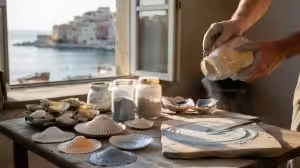
| Traditional Ingredients | Modern Health Concerns |
|---|---|
| Salt | Linked to increased blood pressure |
| Fatty meats | High in saturated fats, which can raise cholesterol |
| Whole-milk dairy | High in saturated fats, which can contribute to heart disease |
| Processed foods | Often high in sodium, sugar, and unhealthy fats |
This clash of culinary cultures is not just a battle of flavors and traditions – it’s a high-stakes struggle that could have profound implications for the health and well-being of aging populations.
The Science Behind the Shift
The growing emphasis on evidence-based dietary guidelines for managing hypertension is rooted in a wealth of scientific research that has been steadily accumulating over the past several decades. As our understanding of the relationship between nutrition and cardiovascular health has evolved, some long-held beliefs about the optimal diet for blood pressure control have come into question.
One of the most significant shifts has been the growing recognition of the role that excess sodium plays in contributing to high blood pressure. While traditional recipes may have relied heavily on salt to enhance flavor, modern studies have linked high sodium intake to increased risk of hypertension and other cardiovascular complications.

Similarly, the once-championed use of fatty meats and whole-milk dairy products in senior diets is now under scrutiny. Mounting evidence suggests that these foods, high in saturated fats, can contribute to elevated cholesterol levels and increase the risk of heart disease – a particular concern for older adults already grappling with blood pressure issues.
“The science is clear – a diet high in sodium, saturated fats, and processed foods is not conducive to maintaining healthy blood pressure as we age. While traditional recipes may have relied on these ingredients, we now know that a more plant-based, whole-food approach is better for cardiovascular health.”
Dr. Sarah Jenson, Cardiologist

Bridging the Generational Divide
As the debate between traditional wisdom and modern science rages on, healthcare professionals and nutritionists are working to find ways to bridge the generational divide and help seniors navigate this complex landscape.
One approach is to explore ways of adapting beloved family recipes to align more closely with current dietary guidelines. This might involve substituting low-sodium broths for high-salt stocks, using leaner cuts of meat, or incorporating more plant-based ingredients.
Another strategy is to engage seniors in the process of learning about the latest nutritional research and understanding the rationale behind the shifting recommendations. By fostering open dialogues and encouraging collaboration, healthcare providers can help older adults feel empowered to make informed decisions about their dietary choices.
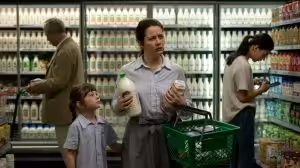
“It’s not about completely abandoning the culinary traditions that have nourished our families for generations. It’s about finding a way to honor those traditions while also incorporating the latest scientific insights to support cardiovascular health. That’s the challenge we’re working to solve.”
Dietitian Emily Gomez
A Future of Heart-Healthy Eating for Seniors
As the debate over natural blood pressure management continues to unfold, the potential for a new era of heart-healthy eating for seniors is emerging. By bridging the gap between time-honored culinary wisdom and evidence-based dietary guidelines, healthcare professionals and nutritionists are working to create a future where older adults can enjoy the comforts of their grandmother’s kitchen while also prioritizing their cardiovascular well-being.
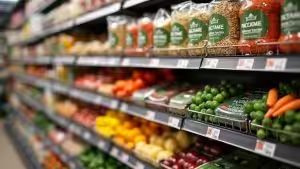
This shift will require a collaborative effort, with seniors, their families, and the medical community coming together to find creative solutions that respect tradition while embracing the latest scientific advancements. It’s a delicate balance, but one that holds the promise of a healthier, more vibrant future for aging populations.
The stakes are high, but the potential rewards are even greater. By finding ways to blend the best of culinary tradition and modern nutrition, we can empower seniors to take control of their heart health, one delicious and nourishing meal at a time.
Embracing the Future of Senior Nutrition
“We have to be open to evolving our thinking and adapting our traditional recipes. It’s not about abandoning what’s worked for generations, but rather finding ways to make those time-honored dishes even healthier. That’s the path forward.”
Nutritionist Maria Hernandez

As the debate over natural blood pressure management continues to unfold, the future of senior nutrition is poised to undergo a transformative shift. By embracing the latest scientific insights while respecting the deep-rooted culinary traditions of aging populations, healthcare professionals and nutritionists are working to create a new paradigm of heart-healthy eating.
This evolution will require a delicate balance, one that acknowledges the comfort and familiarity of grandmothers’ recipes while also incorporating the evidence-based dietary guidelines that can support cardiovascular wellness. It’s a challenge that demands collaboration, open-mindedness, and a willingness to adapt on all sides.
But the potential rewards are immense. By finding ways to blend the best of culinary tradition and modern nutrition, we can empower seniors to take control of their heart health, one delicious and nourishing meal at a time. The path to better blood pressure may still lead to the kitchen, but the menu is poised to undergo a transformation that could redefine the very definition of “comfort food” for aging populations.
FAQs: Navigating the Clash of Culinary Cultures
How can seniors adapt traditional recipes to be more heart-healthy?
The key is to find ways to substitute ingredients that may be high in sodium, saturated fats, or other nutrients of concern with healthier alternatives. This could involve using low-sodium broths, leaner cuts of meat, or incorporating more plant-based ingredients like beans, lentils, and vegetables.
Is it possible to completely eliminate traditional ingredients like salt and fatty meats from senior diets?
Experts recommend a balanced approach. While significantly reducing the intake of ingredients like salt and fatty meats is generally beneficial for blood pressure and heart health, completely eliminating them may not be necessary or practical. The focus should be on moderation and finding ways to incorporate them in smaller amounts as part of an overall heart-healthy diet.
How can healthcare providers help seniors bridge the gap between tradition and science?
Healthcare providers can play a key role by engaging seniors in open dialogues about the latest nutritional research, explaining the rationale behind the evolving dietary guidelines, and collaborating with them to find ways to adapt traditional recipes. Building trust and fostering a collaborative approach is crucial.
What are the long-term benefits of adopting a more heart-healthy diet for seniors?
By embracing a diet that aligns with the latest scientific evidence on blood pressure management, seniors can significantly reduce their risk of hypertension, heart disease, and other cardiovascular complications. This can lead to improved overall health, increased longevity, and a higher quality of life in the golden years.
How can families support seniors in navigating the transition to a more heart-healthy diet?
Families can play a vital role by engaging with seniors, learning about the latest nutritional guidelines, and working together to find ways to adapt beloved family recipes. Providing encouragement, cooking together, and ensuring a smooth transition can make a big difference in helping seniors embrace a healthier way of eating.
Are there any cultural or regional variations in the clash between tradition and science when it comes to senior nutrition?
Yes, the dynamics of this debate can vary significantly based on cultural and regional differences. Traditional culinary practices and the role of food in different societies can shape the specific challenges and opportunities in bridging the gap between time-honored wisdom and modern science.
What are some of the key barriers to adopting a more heart-healthy diet for seniors?
Resistance to change, lack of access to healthier ingredients, and the emotional attachment to traditional recipes can all present significant barriers for seniors looking to adopt a more heart-healthy diet. Overcoming these challenges will require a multi-faceted approach that addresses both practical and psychological factors.
How can the healthcare community and food industry collaborate to support seniors in this dietary transition?
By working together, the healthcare community and the food industry can play a crucial role in facilitating the transition to more heart-healthy eating for seniors. This could involve the development of healthier versions of traditional ingredients, the creation of educational resources, and the promotion of senior-focused cooking classes and meal delivery services.
Originally posted 2026-03-08 00:00:00.