As the winter chill sets in, millions of caring gardeners across North America and the UK rush to provide a lifeline for their feathered friends. Birdfeeders brimming with seed offer a much-needed source of sustenance when natural food sources dwindle. But one small oversight can quietly turn this generous act deadly.
Unbeknownst to most, wet birdseed poses a serious threat to the very birds it’s intended to help. When exposed to moisture, seemingly harmless seed can quickly become a hidden killer, trapping birds in a frozen prison and slowly starving them to death. It’s a tragic irony that demands our attention.
Understanding this peril is the first step in ensuring our winter bird banquets remain a blessing, not a curse. With a few simple adjustments, we can transform our backyards into true sanctuaries, giving our avian neighbors the fighting chance they need to survive the harshest months.
The Frozen Trap
As temperatures plummet, birds face an unforgiving battle to conserve every precious calorie. Their tiny bodies burn energy at an astounding rate, requiring a constant influx of high-quality fuel to stave off the cold. Birdfeeders offer a crucial lifeline, providing a concentrated source of carbohydrates, fats, and proteins.
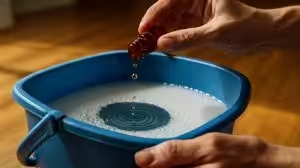
But when that seed gets wet, either from precipitation, condensation, or even just the birds’ own breath, the situation takes a dark turn. The moisture causes the seed to swell, forming a solid, frozen block that birds can no longer access. Trapped in plain sight, these avian guests slowly starve, their only recourse being to expend precious energy trying to break free.
It’s a vicious cycle that plays out across countless backyards each winter, with well-meaning homeowners unknowingly contributing to the problem. The solution, however, lies in a few simple steps that can make all the difference.
Smarter Feeders, Safer Birds
The key to keeping birds safe and well-fed lies in the design of the feeder itself. Traditional tray-style models, while convenient, are particularly prone to moisture buildup, trapping seed in a frozen tomb. Opting for hopper or tube feeders with built-in weather protection can be a game-changer.
These innovative designs feature slanted roofs, narrow perches, and sealed compartments that shield the seed from precipitation and condensation. The result is a reliable, all-weather feeding station that ensures birds can access their sustenance no matter the conditions.
But the benefits of these smarter feeders go beyond just preventing frozen seed. They also promote better hygiene, reducing the risk of mold, bacteria, and disease transmission – another common issue with traditional models.

Winterizing Your Backyard Buffet
Of course, feeder choice is just one piece of the puzzle. Maintaining proper winter feeding station hygiene is crucial to keeping birds healthy and safe. This means regularly cleaning and disinfecting all feeding equipment, as well as replacing spoiled or moldy seed.
It’s also important to position feeders in areas sheltered from the wind and snow, providing birds with a warm, dry oasis amid the elements. Strategically placing them near dense shrubbery or under eaves can make a significant difference.
And for those extra-harsh days, supplementing the seed with high-energy suet or mealworms can give birds that extra boost they need to survive. By thinking holistically about our backyard habitats, we can transform them into true avian sanctuaries.

The Delicate Balance of Winter Survival
Understanding the fine line that birds walk in winter is key to providing effective support. These resilient creatures have evolved remarkable adaptations to cope with the cold, from fluffing their feathers to entering a state of controlled hypothermia.
But the margin for error is razor-thin. Any disruption to their carefully calibrated energy budget, whether from lack of food, exposure to the elements, or disease, can quickly spell disaster. It’s a sobering reality that should inspire us to be the best stewards we can be.
By keeping our winter bird feeders dry, hygienic, and strategically placed, we can give our feathered friends the fighting chance they need to survive until the spring thaw. It’s a simple act of compassion with far-reaching consequences – for the birds, and for the health of our entire ecosystem.
Beyond the Birdfeeder
While providing a reliable source of seed is undoubtedly crucial, it’s important to remember that birds have a diverse array of nutritional needs. Supplementing their diet with alternative food sources can make a significant difference in their chances of survival.
High-energy suet cakes, for example, offer an invaluable source of fat and protein that can help birds maintain their core body temperature. Mealworms, meanwhile, provide a boost of essential nutrients and moisture that can be especially valuable during prolonged cold snaps.
And for the truly dedicated bird enthusiast, creating a backyard “smorgasbord” with a variety of feeders, baths, and even natural food sources like berry-producing shrubs can transform a simple garden into a true avian oasis.
FAQ
Why is wet birdseed so dangerous for birds in winter?
When birdseed gets exposed to moisture, either from precipitation, condensation, or the birds’ own breath, it can swell and freeze into a solid block. This prevents birds from accessing the critical calories and nutrients they need to survive the cold winter months, leading to starvation.
What are the best types of birdfeeders for preventing wet seed?
Hopper and tube-style feeders with weather-resistant designs are the most effective at keeping seed dry and accessible. These models feature slanted roofs, narrow perches, and sealed compartments that shield the seed from the elements.
How often should I clean and maintain my birdfeeders?
It’s recommended to clean and disinfect your feeders at least once a week during the winter months. This helps prevent the buildup of mold, bacteria, and other contaminants that can make birds sick.

What are some alternative food sources I can provide for birds in winter?
In addition to high-quality birdseed, consider offering suet cakes, mealworms, and a variety of fresh fruits and berries. These provide essential fats, proteins, and moisture that can give birds an extra boost of energy during the coldest months.
Where is the best location to place my birdfeeders?
Situate your feeders in sheltered areas, such as near dense shrubbery or under eaves, to protect them from wind and precipitation. This will help keep the seed dry and accessible for your feathered friends.
How can I tell if the birds in my backyard are struggling to access their food?
Look for signs of birds expending excessive energy trying to break through frozen seed, or congregating around the feeder without being able to eat. You may also notice a decrease in the number of birds visiting, as those that can’t access the food are forced to seek sustenance elsewhere.

What should I do if I notice a bird in distress at my feeder?
If you see a bird that appears to be trapped or unable to access the food, gently remove the feeder and bring it indoors to thaw. Once the seed is free-flowing again, you can return the feeder to its original location. In severe cases, contact a local wildlife rehabilitation center for further assistance.
How can I encourage more birds to visit my backyard in winter?
In addition to providing high-quality, dry seed, consider offering a variety of food sources, such as suet, mealworms, and fresh fruit. You can also create a winter oasis by planting berry-producing shrubs and installing a heated birdbath to provide both food and water.