The sink was full of dishes again, piled high with plates, bowls, and scattered cutlery. As I stared at the mess, a familiar feeling of frustration bubbled up inside me. I had lost count of the number of times I had come home to this sight, the responsibility of cleaning up after everyone else weighing heavily on my shoulders.
But this time, I decided to take a different approach. I carefully placed a glass and a sheet of paper in the sink, knowing that this simple trick would reveal the truth about who was actually helping with the household chores. It was a silent, yet powerful way to hold my housemates accountable and finally get to the bottom of the never-ending cycle of dirty dishes.
The Glass and the Paper: A Subtle Tracker
The idea behind this trick is simple: by leaving a glass and a sheet of paper in the sink, I can easily see if anyone has done the dishes since I last used them. If the glass and paper are still there, untouched, it’s a clear sign that no one has lifted a finger to help. But if they’ve been moved or removed, it means someone has been cleaning up.

This small but effective tactic allows me to gather tangible evidence without having to confront anyone directly. It’s a discreet way to hold my housemates responsible and encourage them to take an active role in maintaining a clean and organized living space.
The beauty of this method is that it’s hard to deny the results. The glass and paper serve as silent witnesses, exposing the truth about who is actually contributing to the household chores.
Invisible Work and the Burden of Housekeeping
The issue of unequal distribution of household labor is a common problem, especially in shared living situations. Often, the bulk of the cleaning and tidying falls on one person, while others remain oblivious or unwilling to pitch in.

This invisible work, the routine tasks that keep a home running smoothly, is frequently overlooked and underappreciated. It’s the kind of work that’s easy to take for granted, but it can quickly become a source of resentment and tension if it’s not properly shared.
By leaving the glass and paper in the sink, I’m shining a light on this invisible work, forcing my housemates to confront their own level of involvement (or lack thereof) in maintaining our shared living space.
Confronting the Truth: Who’s Really Helping?
As the days pass, I keep a close eye on the sink, waiting to see if the glass and paper remain untouched. Each time I return home, I brace myself for the reality that may be revealed.

If the items are still there, it’s a clear indication that no one has taken the time to do the dishes. This can be a frustrating and disheartening discovery, but it also provides me with the necessary information to have a constructive conversation with my housemates.
On the other hand, if the glass and paper have been moved or removed, it means someone has stepped up and taken care of the chore. This small act of consideration can go a long way in fostering a more cooperative and harmonious living environment.
Fostering Accountability and Shared Responsibility
The sink trick is not just about catching people in the act of neglecting their household duties. It’s also about encouraging a sense of shared responsibility and accountability among my housemates.
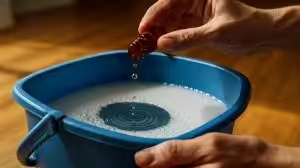
By using this simple method, I’m creating a clear and tangible way for everyone to see their individual contributions (or lack thereof) to the upkeep of our home. It’s a non-confrontational approach that allows us to have open and honest discussions about how we can work together to maintain a clean and organized living space.
Ultimately, the goal is to foster a greater sense of teamwork and mutual respect when it comes to household chores. By holding each other accountable, we can work towards a more equitable distribution of labor and a happier, healthier living environment for all.
The Ripple Effect: Improving Communication and Relationships
The impact of this sink trick goes beyond just the dishes. By addressing the issue of unequal housework, it can also have a positive ripple effect on our overall communication and relationships within the household.

When we’re able to have honest and constructive conversations about the division of labor, it opens the door for deeper discussions about our individual needs, preferences, and expectations. This can help us better understand each other and find ways to compromise and collaborate more effectively.
Furthermore, by taking the time to ensure that everyone is contributing their fair share, we’re building a foundation of trust and respect. This can lead to stronger bonds and a greater sense of community within our shared living space.
The Bigger Picture: Challenging Gender Norms and Societal Biases
The sink trick is not just about clean dishes; it’s also about challenging the societal norms and biases that often shape the unequal distribution of household labor.

Throughout history, the responsibility of maintaining a clean and organized home has disproportionately fallen on women, reinforcing outdated gender roles and expectations. By taking a stand and holding my housemates accountable, I’m actively working to disrupt these ingrained patterns and promote a more equitable division of labor.
This small act of resistance can have broader implications, as it contributes to a larger movement of challenging gender norms and promoting a more just and inclusive society. It’s a way of reclaiming control over my own time and energy, and encouraging others to do the same.
The Sink Trick: A Powerful Tool for Change
The glass and paper in the sink may seem like a simple gesture, but it’s a powerful tool for change. By using this subtle tactic, I’m able to hold my housemates accountable, foster a greater sense of shared responsibility, and ultimately improve the overall dynamics of our living situation.

This trick is not just about clean dishes; it’s about challenging societal biases, promoting gender equality, and creating a more harmonious and cooperative living environment. It’s a small but impactful way of taking control of my own time and energy, and inspiring others to do the same.
As I continue to use this method, I’m hopeful that it will lead to meaningful conversations, a more equitable distribution of household labor, and ultimately, a closer-knit and more supportive community within our shared living space.
FAQs
How effective is the glass and paper trick in exposing who’s not doing their fair share of the dishes?
The glass and paper trick is a highly effective way to track who is (or isn’t) contributing to the household chores. It provides tangible evidence that’s hard to deny, making it difficult for housemates to claim they’ve been helping when they haven’t.

Isn’t this approach a bit passive-aggressive?
While the glass and paper trick may seem like a subtle form of passive aggression, it’s actually a non-confrontational way to address the issue of unequal housework. It allows for open and honest conversations without directly accusing anyone of shirking their responsibilities.
How should I approach my housemates about the results of the sink trick?
When approaching your housemates about the results of the sink trick, it’s important to do so in a calm and constructive manner. Focus on finding solutions and encouraging everyone to contribute their fair share, rather than assigning blame.
Isn’t it my responsibility to just do the dishes myself?
While it’s understandable to want to maintain a clean and organized living space, constantly doing the dishes yourself can lead to resentment and burnout. The goal should be to foster a shared sense of responsibility and accountability among all housemates.
How can I get my housemates to buy into this idea?
The key is to present the sink trick as a collaborative effort to improve the overall living environment, rather than a unilateral decision. Encourage your housemates to provide their input and work together to find a solution that works for everyone.
Isn’t this just a temporary fix? What if my housemates go back to their old habits?
The sink trick is not a long-term solution on its own, but rather a tool to initiate meaningful conversations and establish new habits. Continued communication, compromise, and a shared commitment to maintaining a clean living space are necessary to ensure lasting change.
What if my housemates get upset or defensive about the sink trick?
If your housemates react negatively to the sink trick, it’s important to remain calm and focus on finding a resolution. Emphasize that the goal is to improve the living situation for everyone, and be open to hearing their perspectives and concerns.
How can I ensure that the sink trick doesn’t create more tension or conflict in the household?
To avoid escalating tensions, it’s crucial to approach the issue with empathy, patience, and a willingness to compromise. Encourage open and honest dialogue, and be prepared to find mutually agreeable solutions that address everyone’s needs and concerns.