Have you ever noticed how your mood can shift dramatically depending on your surroundings? It’s as if the very environment you inhabit has the power to soothe or agitate your senses, shaping your emotional state in subtle yet profound ways. This intriguing phenomenon is the focus of ongoing research, as scientists delve deeper into the complex interplay between our physical spaces and our mental well-being.
From the bustling city streets to the tranquil confines of a cozy cafe, the environments we occupy can have a profound impact on our overall sense of calm and composure. Understanding the factors that contribute to this dynamic can empower us to create spaces that foster greater emotional balance and resilience in our daily lives.
The Sensory Landscape: How our Surroundings Influence our Emotions
Our senses are the gateway through which we experience the world around us, and the input they receive can have a profound impact on our emotional state. Noise levels, lighting, temperature, and even the presence of certain colors or textures can all contribute to our sense of ease or unease within a given environment.

For example, studies have shown that exposure to natural elements, such as greenery or water, can have a calming effect, triggering the release of feel-good hormones like serotonin and oxytocin. Conversely, high-intensity sensory stimuli, like blaring music or harsh lighting, can induce feelings of stress and irritability.
The key to understanding this phenomenon lies in the way our brain processes and interprets the information it receives from our senses. The limbic system, the emotional control center of the brain, is closely linked to the sensory cortices, allowing our surroundings to directly influence our mood and emotional state.
The Cognitive Dimension: How our Mindset Shapes our Perception of Space
While the sensory landscape plays a crucial role in shaping our emotional responses, our cognitive processes also contribute significantly to the way we perceive and interact with our environments. Our preexisting beliefs, memories, and expectations can all color our interpretation of a given space, leading to vastly different emotional experiences.

For instance, a person who associates a particular location with a traumatic event may experience heightened anxiety or discomfort upon returning to that space, even if the physical environment itself has not changed. Conversely, a person who holds fond memories of a certain place may find themselves instantly calmed and uplifted by revisiting that familiar setting.
This cognitive component highlights the importance of personal context and individual differences in the way we respond to our surroundings. What may be a haven of tranquility for one person may be a source of unease for another, depending on their unique life experiences and mental associations.
The Social Dimension: How Interpersonal Dynamics Shape our Emotional Landscape
Our emotional responses to our environments are not solely influenced by the physical and cognitive factors at play; the social dynamics within a given space can also play a significant role in shaping our overall sense of well-being.

The presence of other people, and the nature of our interactions with them, can dramatically alter the emotional tone of a setting. A crowded, chaotic environment filled with strangers can induce feelings of anxiety and irritability, while a more intimate, collaborative setting can foster a sense of calm and connection.
The quality of interpersonal relationships and the perceived sense of social support within a space can also impact our emotional state. Environments that promote a sense of belonging, trust, and mutual understanding tend to be more conducive to emotional regulation and overall well-being.
Designing for Emotional Equilibrium: Strategies for Creating Calming Environments
Armed with a deeper understanding of the complex interplay between our surroundings and our emotional state, we can begin to explore practical strategies for creating environments that foster a greater sense of calm and well-being.
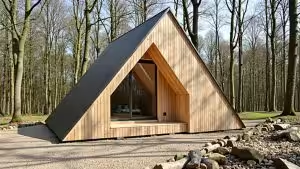
One key approach is to focus on sensory optimization, carefully curating the visual, auditory, and tactile elements of a space to promote a soothing and restorative experience. This might involve incorporating natural elements, such as plants and natural lighting, as well as using soft, muted colors and textures to create a sense of tranquility.
Additionally, attention to cognitive and social factors can also play a crucial role in shaping the emotional landscape of a space. Designing environments that promote a sense of familiarity, control, and social connection can help individuals feel more at ease and better equipped to manage their emotions in the face of stressful or challenging situations.
The Power of Adaptability: Leveraging Flexible Environments to Support Emotional Well-being
As we continue to explore the complex relationship between our surroundings and our emotional state, a growing emphasis has been placed on the importance of adaptability and flexibility in the design of our physical spaces.

By creating environments that can be easily transformed and customized to meet the unique needs and preferences of individuals or groups, we can empower people to actively shape their emotional landscapes and find the optimal balance of sensory, cognitive, and social elements that support their overall well-being.
This adaptability can take many forms, from modular furniture and adjustable lighting to the integration of digital technologies that allow for personalized environmental adjustments. By embracing this flexible approach, we can create spaces that are truly responsive to the diverse emotional needs of the people who inhabit them.
Conclusion: Cultivating Emotional Resilience through Mindful Environmental Design
As we navigate the ever-evolving landscape of our modern world, the importance of creating environments that support emotional well-being and resilience has become increasingly clear. By understanding the multifaceted ways in which our surroundings shape our emotional state, we can empower individuals and communities to design spaces that foster a greater sense of calm, connection, and overall mental health.

Through a holistic approach that considers the sensory, cognitive, and social dimensions of our environments, we can unlock the transformative power of our physical spaces, using them as powerful tools for personal and collective emotional well-being. As we continue to explore and refine these strategies, we can look forward to a future where our built environments serve as sanctuaries of calm and resilience, nurturing the emotional health of all who inhabit them.
| Environmental Factor | Potential Impact on Emotions |
|---|---|
| Noise Levels | High noise levels can increase stress and irritability, while low noise levels promote a sense of calm and relaxation. |
| Lighting | Bright, harsh lighting can induce feelings of discomfort and overstimulation, while soft, natural lighting can have a soothing effect. |
| Temperature | Extreme temperatures, either hot or cold, can contribute to emotional discomfort and a sense of physical unease. |
| Presence of Nature | Exposure to natural elements, such as plants, water, and greenery, can trigger the release of feel-good hormones and promote a sense of calm. |
“The environment can have a profound impact on our emotional state, and by carefully designing our spaces to meet our sensory, cognitive, and social needs, we can create sanctuaries of calm and well-being.”
– Dr. Emma Saunders, Environmental Psychologist

“Adaptable and flexible environments that can be personalized to individual preferences are key to fostering emotional resilience and supporting diverse emotional needs.”
– Sarah Nguyen, Architect and Sustainability Specialist
“Understanding the complex interplay between our surroundings and our emotions is crucial for promoting mental health and well-being in the modern world.”
– Dr. Liam Fitzgerald, Urban Planning and Design Expert

The power of our environments to shape our emotional state is a testament to the deep interconnectedness of the physical and the psychological. By embracing this understanding and leveraging it through mindful design, we can create spaces that nurture our well-being, empowering us to navigate the challenges of our lives with greater calm, resilience, and emotional balance.
What are the key factors that contribute to the emotional impact of our environments?
The key factors that contribute to the emotional impact of our environments include sensory elements like noise, lighting, and temperature, as well as the presence of natural features and the overall design and layout of the space. Cognitive and social factors, such as personal associations and interpersonal dynamics, also play a significant role in shaping our emotional responses to our surroundings.
How can we design environments to promote a greater sense of calm and well-being?
Designing environments to promote calm and well-being involves a holistic approach that considers sensory optimization, cognitive and social factors, and adaptability. This can include incorporating natural elements, using soft colors and textures, minimizing noise and overstimulation, and creating spaces that foster a sense of familiarity, control, and social connection.
What are the benefits of creating adaptable and flexible environments?
Adaptable and flexible environments allow individuals to customize their surroundings to better meet their unique emotional needs and preferences. This can help promote a greater sense of control, comfort, and emotional resilience, as people are empowered to shape their physical spaces in ways that support their well-being.
How do personal experiences and associations impact our emotional responses to environments?
Our personal experiences and associations with certain environments can have a significant impact on our emotional responses. Positive memories and feelings of familiarity can foster a sense of calm and well-being, while negative associations can trigger heightened feelings of anxiety or discomfort.
What role do social dynamics play in shaping the emotional landscape of a space?
The social dynamics within a given environment can greatly influence our emotional state. Environments that promote a sense of belonging, trust, and social support tend to be more conducive to emotional regulation and overall well-being, while chaotic or impersonal settings can induce feelings of anxiety and irritability.
Can our environments influence our long-term emotional well-being and resilience?
Yes, our environments can have a profound impact on our long-term emotional well-being and resilience. By creating spaces that support our sensory, cognitive, and social needs, we can foster a greater sense of calm, connection, and emotional balance, which can contribute to our overall mental health and ability to cope with life’s challenges.
What is the role of environmental psychology in understanding the emotional impact of our surroundings?
Environmental psychology is a field that explores the complex interactions between people and their physical environments, with a focus on how our surroundings can shape our thoughts, feelings, and behaviors. By drawing on the insights of environmental psychologists, we can gain a deeper understanding of the emotional impact of our environments and develop more effective strategies for designing spaces that support our well-being.
How can we incorporate adaptable and flexible design elements into our environments?
Some ways to incorporate adaptable and flexible design elements include using modular furniture, adjustable lighting, and integrating digital technologies that allow for personalized environmental adjustments. By creating spaces that can be easily transformed to meet the needs of different individuals or groups, we can empower people to shape their surroundings in ways that support their emotional well-being.
Originally posted 2026-03-08 00:00:00.