A suitcase of mud is being wheeled into British beauty rooms, signaling a curious new trend. Peat, freshly harvested from the verdant Scottish bogs, is now being warmed, sieved, and painted onto the faces of skincare enthusiasts across the UK. This unexpected turn toward ancient, earthy ingredients has ignited a growing fascination among beauty buffs, who are eager to explore the purported benefits of these peat-based facials.
But what’s driving this sudden interest in a substance typically associated with fuel and gardening? As it turns out, the allure of peat goes far beyond its rustic origins. Proponents of these treatments claim that the mineral-rich mud can deeply nourish the skin, reducing inflammation, detoxifying, and even imparting a healthy glow. With the increasing demand for natural, sustainable skincare, the siren call of the Scottish bogs has become impossible to ignore.
As this peat-powered revolution takes hold, dermatologists and skincare experts are weighing in, offering their insights on the potential benefits and risks of these earthy facials. Join us as we delve into the intriguing world of peat-based skincare, exploring the reasons behind its growing popularity and the scientific perspectives that are shaping the conversation.

The Peat Facial Phenomenon: Uncovering the Allure
It’s no secret that the beauty industry is constantly on the hunt for the next big thing, constantly seeking out novel ingredients and treatments that promise to transform our skin. But the sudden surge in popularity of peat-based facials has caught many by surprise, given the unassuming nature of this humble natural resource.
According to industry experts, the appeal of peat-infused skincare lies in its perceived purity and authenticity. In an age where consumers are increasingly skeptical of synthetic additives and laboratory-engineered formulas, the idea of slathering on a natural mud straight from the earth’s bosom holds a certain allure. The notion of tapping into the untamed power of nature resonates with those in search of a more holistic, back-to-basics approach to beauty.
Furthermore, the Scottish provenance of these peat-based treatments has added an additional layer of mystique and exclusivity. The rugged, unspoiled landscapes of the Highlands have long captivated the global imagination, and now beauty enthusiasts are seeking to harness that same sense of wild, untamed vitality for their skin.
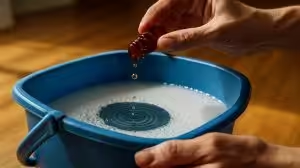
The Science Behind Peat’s Skincare Benefits
As the peat facial trend gains momentum, dermatologists and skincare experts have been carefully examining the potential benefits of this earthy ingredient. While the science is still emerging, there are several compelling reasons why peat may be a valuable addition to one’s skincare regimen.
Peat is rich in a variety of minerals and antioxidants, including iron, calcium, magnesium, and vitamins C and E. These nutrients are believed to help nourish and protect the skin, reducing inflammation and promoting a healthy, radiant complexion. Some studies have also suggested that the humic and fulvic acids present in peat may have antimicrobial and skin-soothing properties.
Additionally, the detoxifying properties of peat have been a major draw for many skincare enthusiasts. The mud is thought to draw out impurities and excess oil from the skin, leaving it feeling refreshed and purified. This deep cleansing effect can be particularly beneficial for those struggling with acne or clogged pores.

The Sustainability Conundrum: Balancing Peat’s Cultural and Environmental Impacts
As the popularity of peat-based facials continues to rise, so too have concerns about the ethical and environmental implications of sourcing this natural resource. Peat bogs, which are found in abundance across Scotland, are delicate ecosystems that play a crucial role in regulating the planet’s carbon cycles.
Extracting peat for commercial use can disrupt these fragile habitats, leading to the release of stored carbon and contributing to climate change. This has prompted some environmental advocates to caution against the widespread use of peat in the beauty industry, urging consumers and brands to consider more sustainable alternatives.
However, the cultural significance of peat in Scotland adds another layer of complexity to the debate. For centuries, peat has been an integral part of the country’s traditional way of life, used for fuel, agriculture, and even as a building material. Some argue that the responsible, small-scale harvesting of peat for skincare products could actually help preserve these cultural traditions and the communities that rely on them.

Putting Peat to the Test: Dermatologist Insights and Cautionary Notes
As the peat facial trend continues to captivate the beauty world, dermatologists have been closely examining the claims and potential risks associated with these earthy treatments. While many acknowledge the potential benefits of peat’s mineral-rich composition, they also caution against overstating its efficacy or universally recommending it for all skin types.
“Peat does contain a number of beneficial compounds, such as antioxidants and anti-inflammatory agents,” explains Dr. Emma Wedgeworth, a leading dermatologist. “However, we need to be careful about making broad claims regarding its skincare benefits. Individual responses can vary, and it’s important for users to monitor their skin’s reaction carefully.”
Dr. Wedgeworth also notes that the sourcing and processing of peat can have a significant impact on its safety and effectiveness. “Peat that is harvested and handled in an environmentally responsible manner is more likely to be free of contaminants and deliver the desired skincare benefits,” she says. “Consumers should look for peat-based products that prioritize sustainable, ethical sourcing practices.”

The Future of Peat in Skincare: Balancing Tradition, Innovation, and Sustainability
As the peat facial trend continues to gain momentum, it’s clear that the future of this earthy ingredient in the beauty industry will hinge on striking a delicate balance between tradition, innovation, and environmental responsibility.
For many skincare enthusiasts, the allure of peat-based treatments lies in their connection to the natural world and the rich cultural heritage of Scotland. Preserving these traditions while ensuring the sustainable harvesting of peat will be a critical challenge for brands and consumers alike.
Meanwhile, researchers and dermatologists will continue to explore the scientific evidence surrounding peat’s skincare benefits, working to better understand its potential applications and limitations. By approaching this trend with a careful, evidence-based mindset, the beauty industry can help to elevate peat-based facials from a passing fad to a responsible, long-term solution for those seeking natural, nourishing skincare.

Frequently Asked Questions
What are the main benefits of peat-based facials?
Peat-based facials are believed to offer a range of benefits, including deep cleansing and detoxification, reduced inflammation, and improved skin nourishment due to the high mineral and antioxidant content of peat. However, individual responses can vary, and more research is still needed to fully understand the extent of peat’s skincare benefits.
Is peat harvesting sustainable?
The sustainability of peat harvesting is a complex and contentious issue. While peat bogs play a crucial role in carbon sequestration, small-scale, responsible harvesting can potentially be done in a way that preserves these delicate ecosystems. Consumers should look for peat-based products that prioritize ethical and environmentally-conscious sourcing practices.
Are peat-based facials safe for all skin types?
Peat-based facials may not be suitable for all skin types, as individual reactions can vary. Those with sensitive skin or specific skin conditions should consult with a dermatologist before trying a peat-based treatment to ensure it is safe and appropriate for their needs.

How often should I use a peat-based facial?
The frequency of using a peat-based facial can depend on the individual’s skin type and the specific product being used. Most experts recommend starting with once a week or once every two weeks, and then adjusting the frequency based on how the skin responds. Overuse can potentially lead to dryness or irritation.
Can peat-based facials replace my regular skincare routine?
No, peat-based facials should not replace a comprehensive skincare routine. They are best used as a supplementary treatment or mask, rather than a substitute for cleansers, moisturizers, and other essential products tailored to your skin’s needs. Peat-based facials should be incorporated into an overall skincare regimen for optimal results.
Are there any potential side effects of peat-based facials?
While peat-based facials are generally considered safe for most skin types, there is a risk of irritation or adverse reactions, especially for those with sensitive skin. It’s important to do a patch test before using a peat-based product and to discontinue use if any redness, dryness, or discomfort occurs.

How can I ensure I’m using a high-quality, sustainably sourced peat-based product?
When purchasing peat-based skincare, look for products that clearly communicate the sourcing and processing methods used. Opt for brands that prioritize ethical, small-scale harvesting practices and transparent supply chains. Additionally, research the brand’s commitment to environmental sustainability and responsible stewardship of peat bogs.
Can peat-based facials be used alongside other skincare treatments?
Yes, peat-based facials can generally be used in conjunction with other skincare products and treatments, as long as they are not overly drying or irritating. It’s important to introduce peat-based products gradually and monitor your skin’s response to ensure they complement your existing routine without causing any adverse reactions.