The year 2025 will be etched in the collective memory of the United Kingdom as a transformative period that challenged the nation’s traditional relationship with its climate. It was a year that saw the country’s temperate weather patterns give way to a more Mediterranean-like experience, leaving an indelible mark on the lives of its citizens.
From scorching temperatures to record-breaking sunshine, the UK’s meteorological landscape underwent a seismic shift, rewriting the script on what it means to live in this island nation. The stories of 2025 will echo through the decades, serving as a stark reminder of the rapid changes sweeping across the global climate and the urgent need to adapt.
As the UK navigates this new reality, the lessons of 2025 will be crucial in shaping the nation’s future resilience and the way its people interact with their environment. This pivotal year has set the stage for a fundamental rethinking of the UK’s relationship with the elements, and the ripples of its impact will be felt for years to come.

A Summer Unlike Any Other
The summer of 2025 will go down in history as the hottest and sunniest on record for the United Kingdom. Temperatures soared to unprecedented levels, shattering previous highs and leaving the country’s infrastructure and population struggling to cope with the unrelenting heat.
Across the nation, familiar landmarks and cityscapes took on a surreal, almost alien quality as the thermometers climbed to levels usually associated with Mediterranean destinations. The gentle, maritime climate that had defined the UK for generations seemed to have been swallowed by a more arid, sun-drenched reality.
For many residents, the summer of 2025 became a test of resilience, as they were forced to adapt to a new normal of scorching days and sultry nights. The country’s healthcare system, transportation networks, and power grids were pushed to their limits, as the nation grappled with the challenges of a summer like no other.

Parched Landscapes and Dwindling Reserves
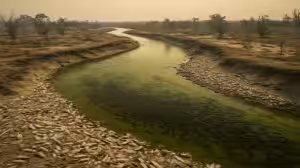
As the heatwave persisted, the UK’s verdant landscapes began to transform, with once-lush meadows and forests giving way to parched, arid scenes more reminiscent of the Mediterranean basin. The strain on the country’s water resources became increasingly palpable, as reservoirs and taps across the nation started to run dry.
The impact of the prolonged drought was felt keenly in the agricultural sector, where farmers struggled to maintain crop yields and livestock health. The cascading effects of this water crisis rippled through the nation’s food supply chains, leading to shortages and skyrocketing prices that further burdened consumers.
Across the UK, local authorities were forced to implement strict water rationing measures, as they scrambled to conserve dwindling supplies and ensure that essential services could continue to function. The sight of once-thriving rivers and streams reduced to mere trickles became a sobering symbol of the new reality the country was facing.

A Nation Transformed: Adapting to a New Climate Paradigm
As the UK grappled with the unprecedented challenges of 2025, the nation was forced to confront the stark reality that its climate was undergoing a profound transformation. The record-breaking temperatures and sunshine totals were not simply anomalies, but rather harbingers of a future in which the country’s traditional weather patterns would be irrevocably altered.
Policymakers, urban planners, and community leaders were compelled to rethink the way the UK’s infrastructure, housing, and public spaces were designed and managed. The need to adapt to the new climate realities became a pressing priority, as the country sought to safeguard the well-being of its citizens and the resilience of its economic and social systems.
The lessons of 2025 resonated across the UK, sparking a nationwide conversation about the urgent need to mitigate and adapt to the effects of climate change. From renewable energy initiatives to water conservation strategies, the country embarked on a journey of transformation, determined to redefine its relationship with the environment and secure a more sustainable future.

The Societal Impacts: A Tale of Resilience and Adaptation
The sweeping changes brought about by the climate shifts of 2025 had profound implications for the UK’s social fabric. Communities rallied together to support the most vulnerable, as the elderly, the young, and the marginalized were disproportionately affected by the extreme weather conditions.
Neighborhoods organized cooling centers, implemented emergency response plans, and fostered a spirit of mutual aid to ensure that no one was left behind. The healthcare system faced unprecedented challenges, as medical professionals worked tirelessly to treat heat-related illnesses and ensure the well-being of their patients.
Alongside the immediate crisis response, the UK’s educational institutions and civic organizations pivoted to prioritize climate literacy and sustainability education. The need to empower citizens with the knowledge and tools to adapt to the new normal became a national imperative, as the country sought to build resilience from the grassroots up.

Lessons for the Future: Charting a Path Toward Resilience
The tumultuous events of 2025 have left an indelible mark on the United Kingdom, serving as a wake-up call for the nation to rethink its approach to climate change and environmental stewardship. As the country looks to the future, the lessons of this transformative year will be crucial in shaping its strategies for mitigation, adaptation, and long-term sustainability.
Policymakers and urban planners are now grappling with the need to redesign infrastructure, housing, and public spaces to better withstand the impacts of extreme weather events. Investments in renewable energy, water management, and green urban design have become top priorities, as the UK seeks to future-proof its communities and safeguard the well-being of its citizens.
The experiences of 2025 have also highlighted the importance of fostering cross-sectoral collaboration, community engagement, and public-private partnerships in addressing the challenges posed by climate change. As the nation embarks on this new chapter, the resilience and adaptability demonstrated by its people will be the foundation upon which a more sustainable and climate-resilient future will be built.
A Wake-Up Call for the United Kingdom
The year 2025 will be remembered as a pivotal moment in the history of the United Kingdom, a time when the nation’s relationship with its climate was irrevocably altered. The unprecedented heatwaves, drought, and sunshine totals that defined this year served as a stark reminder of the urgent need for action in the face of a rapidly changing global climate.
As the UK navigates the aftermath of this transformative period, the lessons learned will be crucial in shaping the country’s path forward. From the redesign of infrastructure and urban spaces to the fostering of community resilience and sustainable practices, the nation is poised to embark on a journey of adaptation and innovation that will redefine its relationship with the environment.
The stories of 2025 will echo through the decades, serving as a cautionary tale and a call to action. The United Kingdom’s ability to respond to this challenge will not only determine the well-being of its own citizens but will also have far-reaching implications for the global fight against climate change. The time for bold, decisive action is now, as the country stands at a crossroads, determined to forge a more sustainable and resilient future.

FAQs
What were the key climate records broken in the UK during 2025?
In 2025, the UK experienced the hottest and sunniest summer on record, with temperatures soaring to unprecedented levels and sunshine totals smashing previous records.
How did the prolonged drought impact the UK’s water resources and agricultural sector?
The drought led to the depletion of reservoirs and taps across the nation, forcing authorities to implement strict water rationing measures. The agricultural sector was hit hard, with farmers struggling to maintain crop yields and livestock health.
What were some of the key societal impacts of the climate shifts in 2025?
The extreme weather conditions disproportionately affected vulnerable populations, such as the elderly and the young. Communities rallied together to support one another, while educational institutions and civic organizations prioritized climate literacy and sustainability education.

How is the UK planning to adapt to the new climate realities?
The UK is focusing on redesigning its infrastructure, housing, and public spaces to better withstand the impacts of extreme weather events. Investments in renewable energy, water management, and green urban design have become top priorities.
What are the long-term implications of the events of 2025 for the UK?
The experiences of 2025 have highlighted the urgent need for the UK to address climate change through mitigation, adaptation, and sustainable practices. The nation’s ability to respond to this challenge will have far-reaching implications for the well-being of its citizens and its role in the global fight against climate change.
How have the lessons of 2025 shaped the UK’s approach to climate resilience?
The events of 2025 have underscored the importance of fostering cross-sectoral collaboration, community engagement, and public-private partnerships in addressing the challenges posed by climate change. The UK is now focused on building a more sustainable and climate-resilient future.
What role does the UK’s climate transformation play in the global context?
As a developed nation, the UK’s ability to adapt to the changing climate and implement sustainable practices will have significant implications for the global fight against climate change. The lessons and strategies developed in the UK can serve as a model for other countries facing similar challenges.
How are UK citizens responding to the climate shifts of 2025?
UK citizens have demonstrated a remarkable spirit of resilience and adaptability in the face of the climate challenges of 2025. From supporting vulnerable populations to embracing sustainable practices, the nation’s people have been instrumental in shaping the country’s response to this transformative period.